Choosing the right microphone can make a significant difference in how your content sounds, whether you’re recording music, streaming, or creating videos. With so many options available, it’s easy to feel overwhelmed. To get professional results, you need to understand the different types, features, and setups that suit your specific needs. Let’s explore what matters most so you can find a microphone that truly elevates your work.
Types of Microphones and Their Uses
Are you unsure which microphone type suits your needs? Different microphones serve different purposes, so understanding their types is essential.
Dynamic microphones are durable and handle loud sounds well, making them perfect for live performances and stage use.
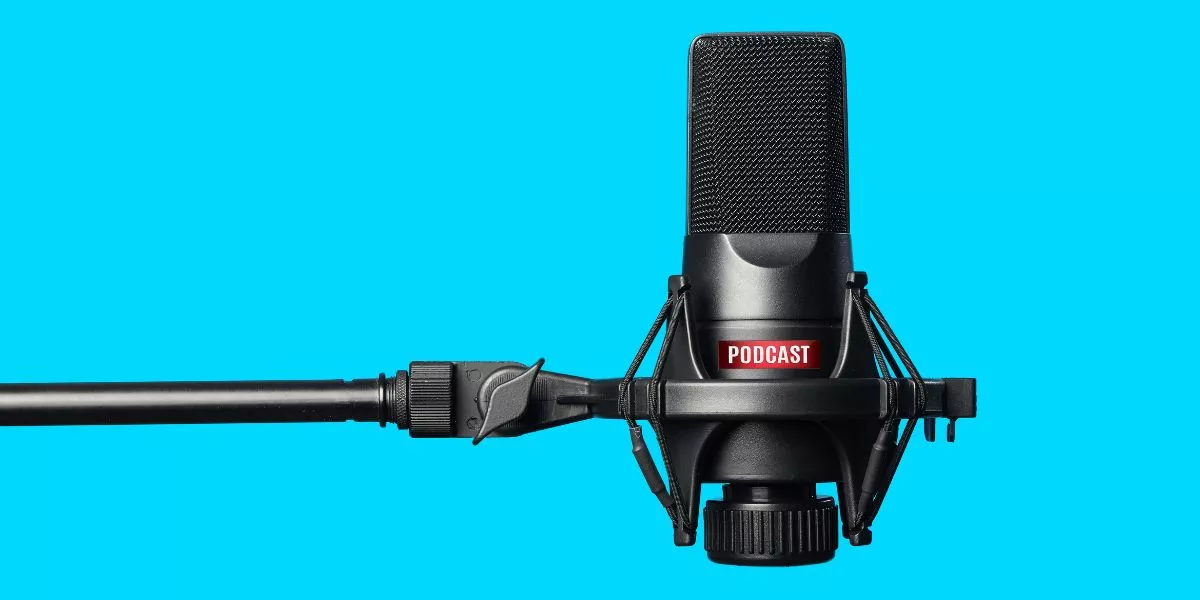
Condenser microphones capture detailed sound, making them ideal for studio recording, vocals, and podcasts.
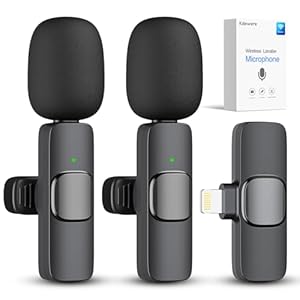
Lavalier microphones are small, clip-on options great for interviews and presentations where mobility is key.
Shotgun microphones have a long reach, focusing on sound from a distance, which is perfect for film or outdoor recordings.
Ribbon microphones offer a warm tone and are often used in studio settings for vocals and instruments.
Knowing these differences helps you select the right microphone to match your specific environment and recording needs.
Key Features to Consider When Choosing a Microphone
When selecting a microphone, focusing on key features can make all the difference in achieving the best sound quality and performance. First, consider the pickup pattern—cardioid, omnidirectional, or bidirectional—since it determines how well the mic captures sound from different directions.
Next, look at frequency response; a wider range means the microphone can pick up a broader spectrum of sounds, which is crucial for clarity. Sensitivity and SPL (sound pressure level) ratings also matter, especially if you plan to record loud sources or softer sounds.
Additionally, check for features like built-in filters or shock mounts that reduce noise and vibrations. Finally, consider connectivity options—USB for easy setup or XLR for professional use—based on your recording environment.
Budget-Friendly Options for Creators
For creators on a budget, finding a quality microphone that delivers good sound without breaking the bank is entirely possible. There are several affordable options that offer excellent value, allowing you to produce professional-sounding content without overspending.
USB microphones are especially popular for beginners because they’re easy to use and don’t require additional equipment. Models like the Blue Snowball iCE or the Fifine K669 are reliable choices that capture clear audio at a low cost.
Condenser microphones such as the Audio-Technica ATR2100x-USB also provide versatility and good sound quality at an accessible price.
Tips for Setting Up and Using Your Microphone Effectively
Getting your microphone set up correctly is key to capturing clear, professional sound. First, position the mic at mouth level, about 6-12 inches away, to avoid distortion and background noise. Use a pop filter to reduce plosive sounds and protect your mic from moisture.
Choose a quiet, echo-free space to minimize unwanted room noise. Adjust gain settings so your voice sounds natural without peaking or distortion. Test your setup by recording a short clip and listening carefully.
Keep your microphone steady—use a stand or shock mount if possible—to prevent handling noise. Regularly check your recordings to identify issues and fine-tune your setup. Proper positioning and environment control are crucial for consistent, high-quality audio.
Conclusion
Choosing the right microphone can truly elevate your content. Focus on your environment, purpose, and budget to find the best fit. Whether you’re streaming, recording, or performing live, proper setup makes all the difference. Don’t forget to consider features like pickup pattern and connectivity. With the right mic and setup, you’ll achieve professional sound quality effortlessly. Start experimenting today, and watch your audio improve!
Trending Products