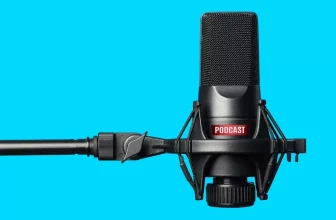

Choosing the right microphone for your podcast can significantly impact your sound quality and recording experience. With so many options available, it’s important to understand which type suits your environment and goals. The wrong choice might lead to poor audio or unwanted background noise. To make an informed decision, you need to consider various features and how they align with your setup. Let’s explore what factors matter most for your podcasting needs.
Understanding Different Types of Microphones
To choose the right microphone for podcasting, it’s essential to understand the main types available. The most common options are dynamic, condenser, and ribbon microphones.
Dynamic microphones are durable and handle loud sounds well, making them ideal for recording in noisy environments. They’re less sensitive to background noise, so they’re great if you record in less-controlled spaces.
Condenser microphones are more sensitive and capture a wider range of frequencies, offering richer sound quality. They’re perfect for studio settings where clarity is crucial.
Ribbon microphones produce warm, natural tones and are often used in professional studios, but they’re more fragile.
Knowing these types helps you decide which microphone best suits your recording environment and desired sound.
Key Features to Consider for Podcasting
When selecting a microphone for podcasting, focusing on key features can make a significant difference in your audio quality and overall experience. Look for a microphone with good sensitivity and a clear frequency response to capture your voice accurately.
Cardioid polar patterns are ideal because they pick up sound primarily from the front, reducing background noise. Consider the microphone’s connectivity options—USB is user-friendly, while XLR offers higher quality for more advanced setups.
Durability and build quality matter, especially if you’ll be recording on the go. Additionally, a microphone with built-in noise reduction or pop filters can help eliminate unwanted plosives and hiss.
These features ensure your recordings sound professional and consistent, making your podcast more engaging and polished.
Matching Microphone Options to Your Recording Environment
Choosing the right microphone also depends heavily on your recording environment. If you record in a quiet, controlled space, a condenser microphone can capture detailed sound quality.
However, if your environment has background noise or echoes, consider a dynamic microphone that’s less sensitive and better at rejecting unwanted sounds.
For small rooms with reflective surfaces, using a cardioid pattern helps focus on your voice and minimizes room noise.
If you record outdoors or in noisy settings, look for microphones with built-in windshields or outdoor-specific features.
Your environment influences microphone placement too—closer placement can reduce background noise.
Matching your microphone choice to your space ensures clearer recordings and minimizes post-production cleanup.
Always consider your environment’s noise level and acoustics when selecting a microphone.
Tips for Testing and Selecting the Best Microphone
Testing microphones before making a purchase or final setup is essential to ensure you select the best option for your needs. Start by listening to sample recordings of different microphones, preferably in a setting similar to your recording environment.
Use your voice to test how each microphone captures your tone and dynamics. Pay attention to clarity, background noise, and any distortion.
If possible, try the microphone with your recording equipment to ensure compatibility. Take notes on how each performs and consider how comfortable it feels during extended use.
Trust your ears—what sounds good to you is often the best choice. Finally, read reviews and seek recommendations from other podcasters to confirm your impressions.
This thorough testing helps you make an informed decision aligned with your goals.
Conclusion
Choosing the right microphone depends on your recording space, sound quality needs, and comfort. By understanding microphone types, key features, and environment compatibility, you can find the perfect fit. Don’t forget to test samples and read reviews before making your decision. With the right mic, you’ll improve your podcast’s sound clarity and professionalism. Take your time, and you’ll create content that truly resonates with your audience.
Trending Products